


Geek Therapy in Milwaukee: Using What You Love for Healing and Growth
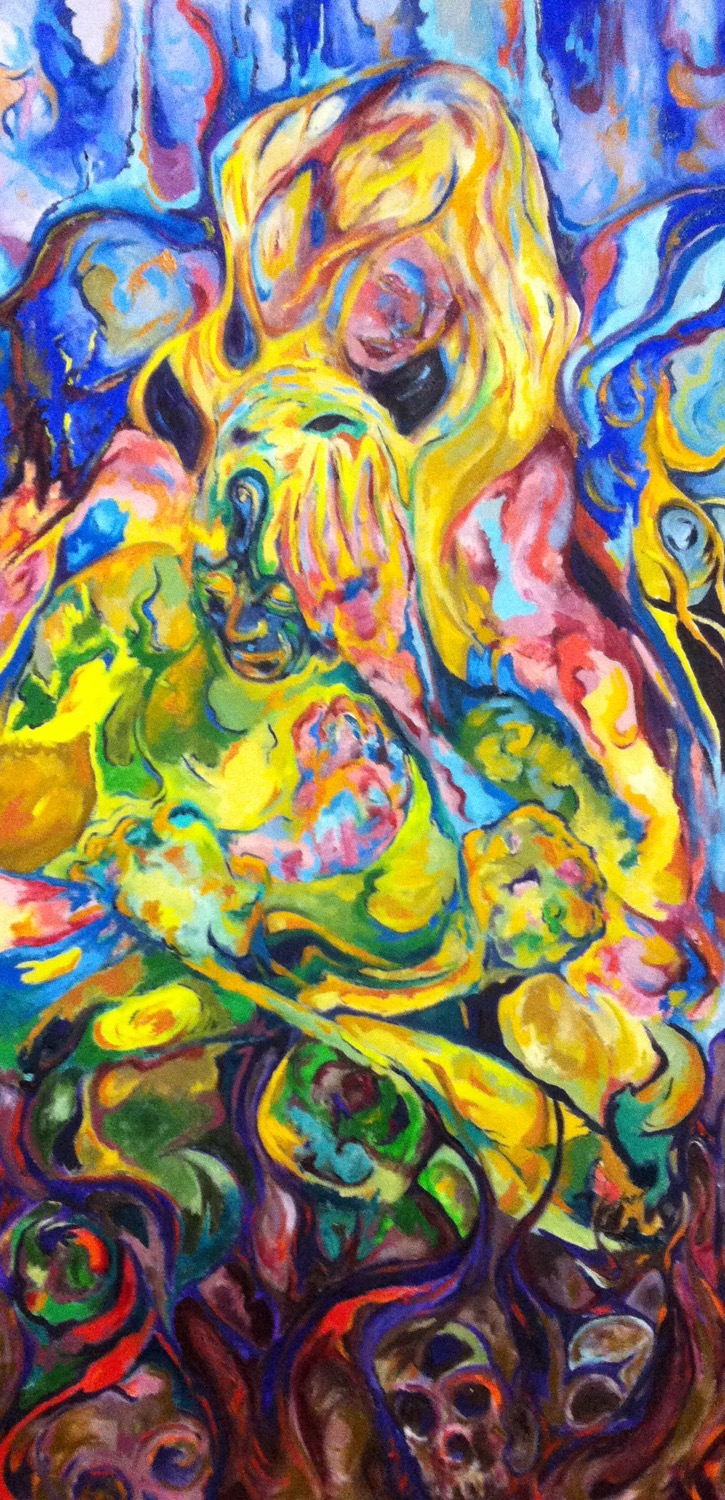

At The Therapeutic Workshop (TTW) in Bay View, Milwaukee, we believe therapy works best when it fits the real you—not a “therapy version” of you. For many people, traditional talk therapy can feel limiting, performative, or disconnected from daily life. That’s why we offer a more experiential, identity-affirming approach: we don’t just appreciate what you’re into—we help you use it for healing and growth.
This is often described as geek therapy, but the core idea applies to everyone: what you love can become a practical pathway toward emotional regulation, healthier relationships, deeper self-understanding, and meaningful change.
What Is Geek Therapy?
Geek therapy is a therapeutic approach that welcomes and utilizes interests like tabletop role-playing games (TTRPGs), video games, fandoms, comics, sci-fi/fantasy, cosplay, and other “geek culture” passions as legitimate tools for growth.
At TTW, geek therapy is not about a therapist knowing every reference. It’s about recognizing that your interests can support:
Nervous system regulation (calming, grounding, shifting out of fight/flight/freeze)
Identity affirmation (belonging, self-acceptance, unmasking)
Relational skill-building (communication, boundaries, repair after conflict)
Meaning-making (story, values, purpose, and life direction)
If you’ve ever felt misunderstood in therapy—or like you had to “explain yourself” from scratch—geek therapy can be a better fit because it starts with who you actually are.
The TTW Approach: From Appreciation to Utilization
Many therapy spaces will validate your interests. That matters. But at TTW, we take the next step: we actively integrate what you care about into the therapy process, so you can practice skills and experience change—not just talk about it.
In practical terms, that means we may use your interests to help you:
1) Build emotional regulation skills
When we work with your real-world interests, we can create a personalized regulation plan that doesn’t feel like another chore. Your hobbies often already function as coping and regulation tools—we help you use them more intentionally and sustainably.
Examples might include:
Using creative work to downshift your nervous system
Building routines that reduce overwhelm and burnout
Reconnecting with pleasure and agency during depression
Increasing distress tolerance without relying on avoidance
2) Improve relationships and communication
Many “geek” spaces are inherently social: campaigns, guilds, fandom groups, conventions, board game nights, hobby communities. These can become excellent environments for practicing relational skills.
Therapy can support:
Boundaries without guilt
Conflict repair and healthy confrontation
Collaboration without people-pleasing
Assertiveness and asking for needs directly
Building reciprocal friendships and community
3) Strengthen identity and self-trust
For many people, geek culture was the first place they felt understood. That matters clinically. It can be a doorway into healing shame, unmasking, and building self-respect.
We often explore:
Where your identity has been minimized or mocked
What parts of you learned to hide
How to belong without performing
How to choose relationships and communities aligned with your values
Geek Therapy Isn’t Only for “Geeks”
Even if you don’t identify as a “geek,” the underlying approach is the same: therapy should leverage what matters to you.
We can integrate many interests and lifestyles into therapy, including:
Art, music, writing, crafting, sewing, tattoo culture
Nature-based practices, walking, hiking, gardening
Fitness, sports, dance, movement
Cooking, baking, building, restoring, collecting
Spiritual practice, activism, community involvement
The goal is not to turn therapy into entertainment. The goal is to make therapy experiential, relevant, and effective by using what already connects to your values, identity, and nervous system.
How This Helps With Anxiety, Depression, Trauma, and Burnout
People often come to TTW for support with: anxiety, depression, trauma, stress, relationship issues, life transitions, grief, neurodivergence, identity exploration, and burnout.
From our lens, many symptoms are not personal failures—they’re adaptations:
Anxiety can be a protection system scanning for threat
Depression can be shutdown after long-term overwhelm
Avoidance can be a survival strategy
People-pleasing can be a relational safety plan
When therapy uses familiar interests and meaningful practices, it often becomes easier to access safety, insight, and skill-building—especially for people who don’t thrive in purely verbal, insight-only models.
TTRPG Therapy Groups in Milwaukee (Bay View)
TTW is known locally for integrating creative and community-based approaches, including tabletop role-playing game (TTRPG) therapy groups. These groups are designed to be beginner-friendly, structured, and clinically grounded.
In a TTRPG therapy group, participants can practice:
Emotional regulation and distress tolerance
Social skills and relational confidence
Cooperation, leadership, and problem-solving
Values-based decision-making
Repair, communication, and boundary-setting
If you’ve struggled with isolation, social anxiety, or feeling misunderstood, a well-facilitated group can be a powerful place to build real connection.
Looking for Geek Therapy in Milwaukee? Start Here.
If you’re searching for:
Geek therapy Milwaukee
TTRPG therapy Milwaukee
therapy for gamers Milwaukee
creative therapy Bay View
experiential therapy Milwaukee
group therapy Bay View Milwaukee
…TTW may be a strong fit.
We offer a supportive, values-driven space where you can bring your full self—your identity, your interests, your relationships, and your real life—and work toward change that actually holds.


Comments